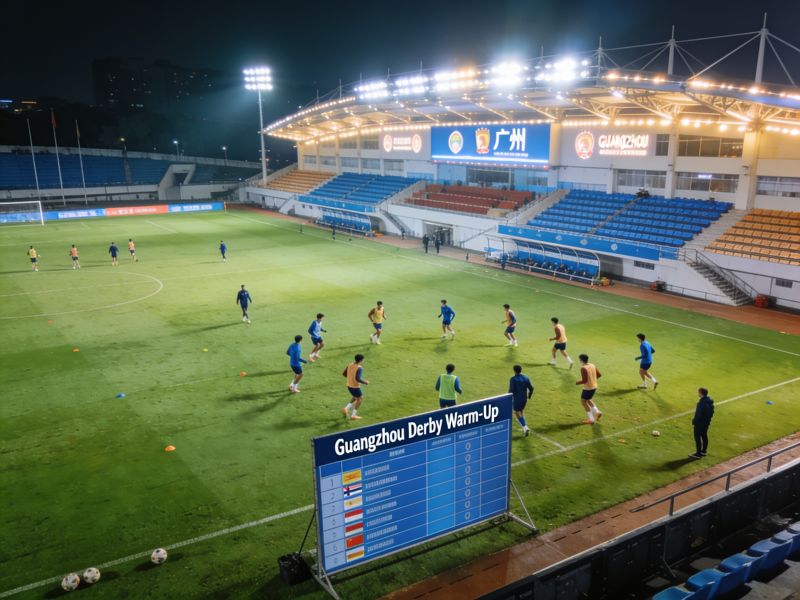
he Chinese Super League 2021 schedule was never just a list of dates. It was a survival plan. With COVID-19 protocols still dictating logistics, the season was split into three phases across two hub cities—Guangzhou and Suzhou—and later, a third hub in Guangzhou for the final stage. Teams played 22 matches instead of the usual 30。crammed into a tighter calendar. The schedule’s compressed nature, with matches every three or four days in some stretches, tested squad depth more than any tactical innovation. I watched Shandong Taishan’s early fixtures and noticed how their rotation in midfield became a blueprint for others: no team could afford to treat any fixture as a breather.The Chinese Super League 2021 schedule was released in stages, not as a single document. The first phase ran from April 20 to August 5, with teams in Guangzhou and Suzhou playing 14 rounds. That meant eight matches per team before the Olympic break—a window that also saw the national team’s World Cup qualifiers disrupt club rhythm. The second phase, from December 12 to January 4, 2022, was a sprint: eight matches in 24 days for each club. I remember a Beijing Guoan official complaining off the record that the schedule “turned the title race into a lottery of recovery times” The Chinese Super League 2021 schedule forced coaches to prioritize: some clubs fielded reserves in the FA Cup to protect league points。a trade-off that directly influenced final standings.Hub-based scheduling meant no home-and-away balance. Guangzhou teams played most matches at Tianhe Stadium, while Suzhou clubs rotated between the Olympic Sports Centre and Kunshan Stadium. The Chinese Super League 2021 schedule listed venues, but the real story was travel: teams stayed in bubbles。and the lack of long trips actually helped smaller clubs. Changchun Yatai, for instance, thrived in the Suzhou hub, finishing fourth—a result few predicted. Their schedule featured a crucial three-match winning streak in late July, all within eight days. That kind of run was only possible because the Chinese Super League 2021 schedule eliminated cross-country flights. Still, the trade-off was monotony: players ate the same hotel meals for weeks, and several coaches told me the fixture list felt “like a training camp with points”Title contenders felt the squeeze differently. Shanghai Port’s schedule included a brutal sequence in early August: three matches in seven days against direct rivals. They dropped five points in that stretch, which ultimately cost them the championship. Shandong Taishan, by contrast。capitalized on a softer run in December, winning four consecutive matches within 12 days. The Chinese Super League 2021 schedule wasn’t neutral—it rewarded clubs with deeper benches and smarter medical staff. I’d argue the fixture congestion made the league more unpredictable, but not necessarily more entertaining. Matches every 72 hours produced sloppy defending and late goals;
a third of all goals in the final phase came after the 75th minute. That’s not a coincidence. The schedule wrote the script.Looking back, the Chinese Super League 2021 schedule is a case study in crisis management. It wasn’t elegant, and the lack of a full home-and-away format left a hollow feeling. But it delivered a completed season when many leagues stalled. The final phase’s December sprint, with matches broadcast in empty stadiums, felt surreal—yet the standings were legitimate. For analysts, the lesson is clear: fixture design shapes outcomes as much as transfers or tactics. The Chinese Super League 2021 schedule wasn’t just a calendar;it was a competitive variable that decided the title, relegation。and everything in between.